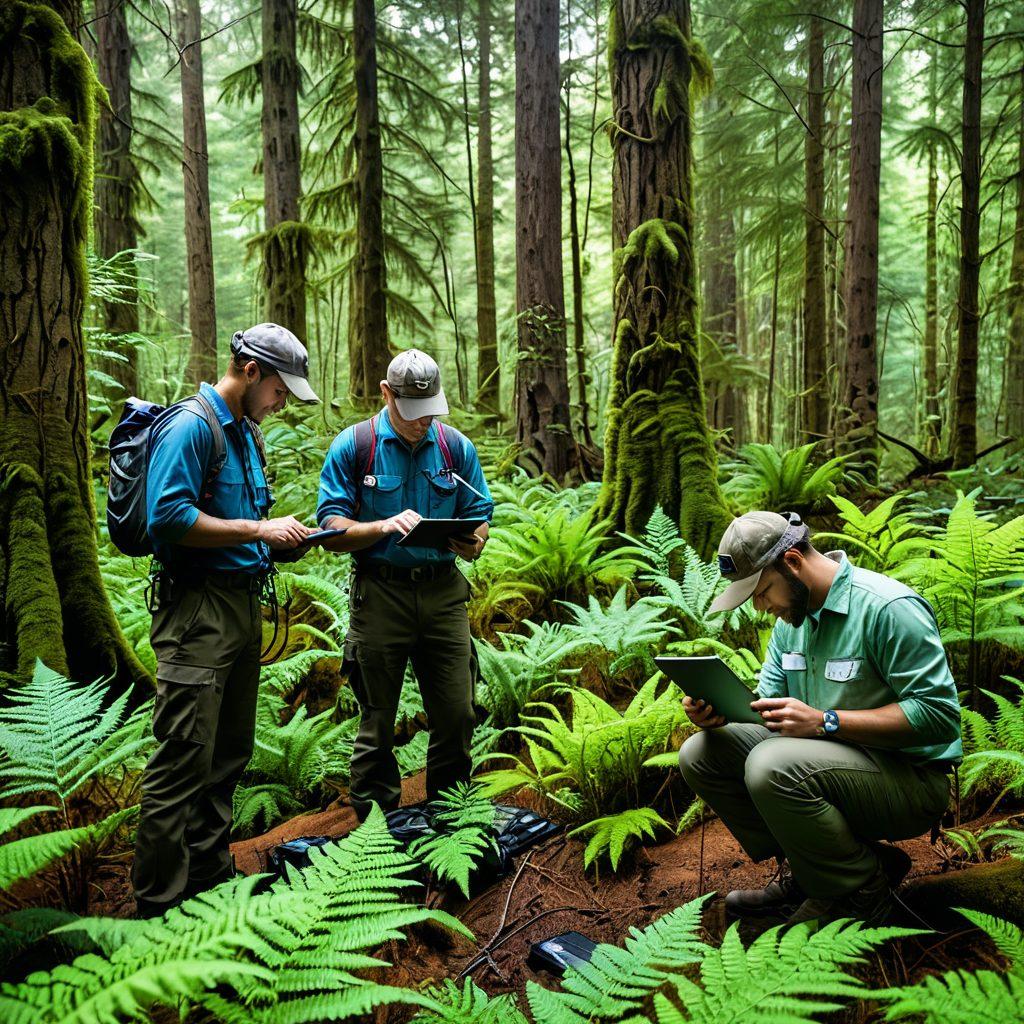
Mastering the Art of Forest Management: Insights from Forestry Experts
Imagine a world where towering trees cloak the landscape, their canopies teeming with life, and the air vibrating with the sounds of nature. This picturesque image is what sustainable forestry strives to achieve. But how can we ensure that our forests remain vibrant and healthy for future generations? Balancing tree care and forest conservation is no easy feat, yet it is an essential part of forest management. Let's dwell into the art and science behind sustainable forestry and learn from forestry experts about the best practices involved.
Sustainable forestry isn't merely about planting a tree here and there. It's about the intricate balance between utilizing forest resources and maintaining forest health. Foresters, often referred to as the unsung heroes of forest conservation, employ a myriad of techniques spanning from tree planting to tree pruning to maintain this balance. These dedicated professionals must consider the long-term impacts of their actions on the forest ecosystem. Every decision, every action taken is a puzzle piece in the greater picture of ecosystem management. 'When the last tree is cut down, the last fish eaten, and the last stream poisoned, you will realize that you cannot eat money.' This Cree Indian proverb echoes the core principle of sustainable forestry.
Real-life stories from forestry experts showcase the meticulous planning involved in sustainable forestry. Take, for example, an arborist who specializes in tree maintenance. They are not just thinking about today but about decades ahead. Understanding silviculture, the science of growing forests, is essential in this process. By studying tree species, their growth patterns, and their role in the ecosystem, foresters can make informed decisions about where to plant, how to nurture, and when to harvest. In the practice of silviculture, a forester must think like a tree. What does it need to thrive? How does its growth impact the surrounding flora and fauna? These are the questions that shape successful forest management.
It's not just about the trees! Sustainable forestry has a significant role in habitat restoration and wildlife management. The forest ecosystem is a complex web of interdependent species. Without proper canopy management, the delicate balance can easily be disrupted, leading to loss of biodiversity. When a forest inventory is conducted, it’s about more than just counting trees. It's about understanding the forest’s overall health and the specific needs of the forest fauna and flora. Through reforestation and afforestation initiatives, we can restore deforested areas and establish new woodlands, thereby supporting forest biodiversity management and contributing to forest landscape restoration.
Who are the key players in this vast field of sustainable forestry? Beyond foresters and arborists, forest services play a pivotal role. These include everything from forest ecology experts and conservation science researchers to urban forestry planners and forest fire management teams. Together, these professionals are the stewards of our forests, ensuring that forest resources are used responsibly and that forest protection measures are enforced. Forest consultancies and eco-forestry initiatives drive innovative practices, while forest policy influences legislative frameworks to support sustainable practices. Engaging with forest planning and forest consultancy can empower communities to take an active role in forest stewardship, ensuring that our forests are preserved not just for today, but for generations to come.
Reforestation and Habitat Restoration: A Pathway to Healthy Forest Ecosystems
Imagine walking through a dense forest with towering trees, the air filled with the scent of pine and the sounds of rustling leaves overhead. Such beautiful landscapes owe their existence to the tireless efforts of forestry experts and the principles of sustainable forestry. Reforestation and habitat restoration are critical components in maintaining the health of our forests. These practices not only contribute to vibrant biodiversity but also ensure the ongoing health of ecosystems that support both wildlife and human needs. But what exactly goes into mastering the art of forest management?
Forester professionals often find themselves at the crossroads of science and conservation, tasked with intricate forest management strategies. Reforestation, which involves replanting trees in deforested areas, stands as a cornerstone of forest conservation. 'Each tree planted is a commitment to the future,' says John Meyers, a seasoned arborist who has dedicated his life to tree planting and forest health. Advances in silviculture and eco-forestry have made it possible to carefully select tree species that thrive in specific environments, promoting both swift growth and sustainable ecosystems.
A less discussed but equally crucial aspect of this field is habitat restoration. Forest ecosystems are not just collections of trees. They are complex interplays of flora, fauna, and micro-organisms. Successful habitat restoration involves reviving these intricate connections. Take, for example, the restoration of wetland areas within forests, a practice that helps in preserving species that are essential to ecosystem balance. Contributing to this biodiversity is key; without a diverse range of species, the forest can lose its resilience. Forest inventory and wildlife management are vital techniques used by forestry experts to keep tabs on forest biodiversity and ensure that all species, from the smallest insect to the largest predator, are thriving in harmony.
Forest management isn't just about planting new trees; it's also about taking care of existing ones. Skilled tree maintenance such as tree pruning, canopy management, and pest control are crucial for forest health. 'It's like tending to a garden, but on a monumental scale,' says Emily Larson, an expert in forest services and forest policy. These tasks keep trees healthy, making them better equipped to survive climatic changes and natural disasters like forest fires. Furthermore, forest fire management strategies are indispensable. Controlled burns and other techniques help reduce the risk of catastrophic wildfires, maintaining a healthy forest ecosystem.
Finally, a comprehensive approach to forest stewardship means considering urban forestry and afforestation practices. Urban areas, too, benefit from carefully curated green spaces that boost community well-being and environmental health. Developing forest policies and ensuring regular forest consultancy services can bridge the gap between urban planning and sustainable forestry. Every action, from timber management to forest landscape restoration, plays a part in the larger picture of forest sustainability and conservation science. So next time you walk through a forest or enjoy a park in your city, remember the diligent efforts and science that keep these spaces alive and thriving.
Forest Health and Biodiversity: Expert Tips for Effective Management
Have you ever wandered through a lush, thriving forest and wondered what it takes to keep such a magnificent ecosystem alive and well? The secret lies in effective forest management, a combination of science, art, and a deep respect for nature. Forest health and biodiversity are crucial elements that demand the attention of skilled foresters and arborists. But what does it mean to expertly manage a forest, and what tips can industry leaders offer for maintaining these verdant landscapes?
One of the key aspects of forest conservation and management is ensuring forest health. Healthy trees are the backbone of a thriving forest ecosystem, and tree care is essential for this purpose. This involves regular tree planting and forest restoration efforts to combat deforestation and promote reforestation. As experts in sustainable forestry advise, afforestation—planting trees in previously non-forested areas—is also critical to expanding forested land and enhancing biodiversity.
Another vital part of forestry is managing tree biodiversity to preserve the intricate web of life within a forest. A diverse range of tree species supports a rich variety of forest fauna and flora, leading to a more resilient ecosystem. According to experts in conservation science, strategic canopy management and tree pruning are necessary to maintain this diversity. Thoughtful habitat restoration and wildlife management practices are also essential to ensure that all species within the forest continue to thrive.
Effective forest management also includes the practice of silviculture, the science of growing and cultivating trees. This involves detailed forest inventory and forest planning to monitor the health and composition of the forest over time. With this data, foresters can make informed decisions about timber management, ensuring that logging practices are sustainable and that forest resources are utilized without compromising future generations' ability to enjoy and benefit from these ecosystems. This approach aligns with the principles of forest sustainability and forest stewardship.
Of course, no discussion of forest management would be complete without addressing the threat of forest fires. Proactive forest fire management strategies are essential to protect both the forest and the communities surrounding it. This includes regular tree maintenance and upkeep of forest flora to reduce fire risk. Moreover, urban forestry initiatives are increasingly important, as they bring the benefits of well-managed forests to city environments, enhancing urban greenery and promoting environmental forestry practices.
By integrating these expert tips and techniques, anyone involved in forestry can contribute to healthier and more biodiverse forests. Whether you're a professional forester, an arborist, or simply a passionate nature lover, understanding the science and art of forest management enables you to make a positive impact on our planet's vital green spaces. As we continue to learn from forestry experts, we better equip ourselves to nurture and protect the wonderful world of forests and all they encompass.